Astronomer explains cause of Moon's red appearance
/ By Kayla Walker
The Moon appears red tonight as Earth's atmosphere scatters blue light like a prism, letting longer red wavelengths pass and creating a stunning crimson shadow.

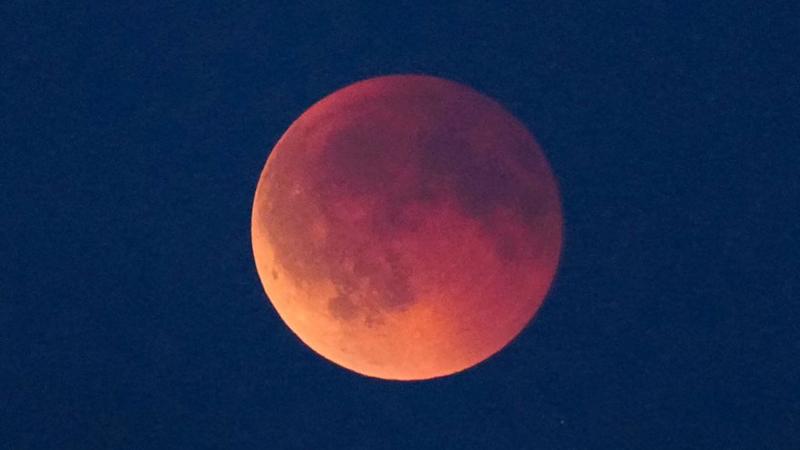
The BBC spoke with Rachel Dutton, a fellow of the Royal Astronomical Society, who outlined why the Moon appears red tonight in the sky. She says Earth’s atmosphere, while blocking direct sunlight from the Moon, behaves like a prism that scatters light and bends reddened light around the planet toward the lunar surface. Context: Rayleigh scattering—the same process that makes the sky blue and sunsets red—preferentially scatters shorter blue wavelengths, leaving longer red wavelengths more visible. If Earth had no atmosphere, the Moon would simply darken; instead, it moves into a red-tinged shadow that produces the striking color we see, Dutton tells the BBC.

